Do You Need Permits to Remodel a Bathroom?
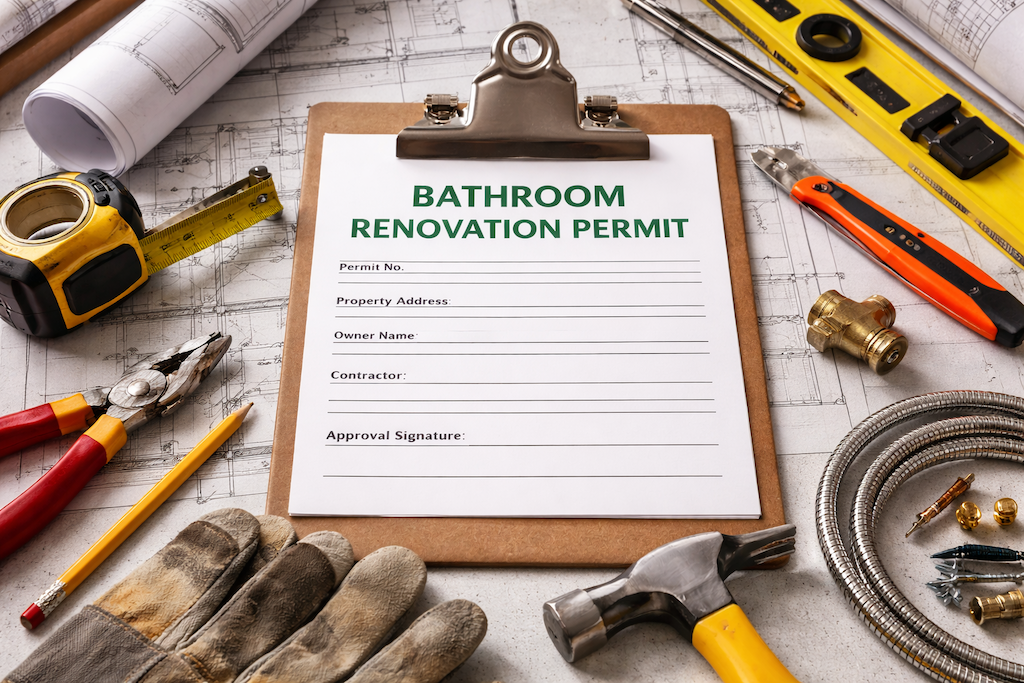
Planning a bathroom renovation is the most exciting experience, and you probably have your vision board filled with ideas about rainfall shower heads, heated floors, and vanities. However, before we begin slamming sledgehammers and purchasing tiles for our bathroom remodeling projects, there is a not-so-glamorous but absolutely essential topic that we have to discuss first - the topic of “building permits.” If you're considering Texas bathroom remodeling services, the good news is that we can guide you through this process.
As a home renovation and additions contractor at Texan Home Additions, often homeowners will ask questions about paperwork. They may question whether they actually need to contact the building department for a simple change within their home. The answer to that question is generally yes, but often dependent on the type of work being done.
If you’re wondering, do you need permits to remodel a bathroom? The short answer is that it’s essential to check with your local authorities. The reason to understand when a permit is required goes beyond a need to follow the regulations, though that is important on its own; rather, a properly constructed home will always provide value to the homeowner.
When is a Bathroom Renovation Permit Usually Needed?
To determine whether your particular project requires a permit for bathroom remodel, it is necessary to consider what work is being done behind the wall surfaces. Cosmetic work, in most instances, will not constitute a requirement for a permit. If the work that is being done involves painting the walls, the replacement of a faucet with a similar new model in the same location or the addition of a new vanity cabinet without relocating the plumbing lines, then there should not be a problem.
As soon as we begin to make changes to the "guts" of the bathroom, a bathroom remodel permit is required and becomes a key consideration. Plumbing jobs are the leading cause of permits being required. If your plan includes relocating your toilet to the opposite side of the room or turning a bathtub into a walk-in shower, we are rearranging plumbing lines. This will necessitate a permit to guarantee conformity with sanitation requirements for draining and venting.
Electrical jobs are another area that needs consideration. Installing additional electrical outlets or recessed lighting or the ventilation fan will call for an electrical permit. This will help ensure that the electrical wiring is done properly so that there is no danger of a potential electrical fire in a damp area. Finally, any changes made to the structure will always need supervision. We will definitely need a structural permit if a wall is coming down for a bathroom expansion or a new window.
What Happens When Permits Are Not Obtained?
We know the appeal of bypassing the paperwork. Permits mean money out of pocket and waiting for approval that might delay the schedule. The danger of forgoing this step, though, is well beyond the initial nuisance.
The most direct hazard is a work stoppage. If your local inspector hears that there’s your dumpster in your driveway without a permit for the associated project, it can close within an hour. You could incur fines into the tens of thousands of dollars, and this will blow the original cost of the project, and we will have to rip out work so that the inspectors can view what is in the walls, among other things.
The long-term financial impacts may be even harsher. Undocumented work is never insured in a homeowners' insurance policy. Therefore, if there is a leak in your pipes or a fire in your electric system in your bathroom that was renovated without permission, your claim may be nullified. In addition, if you decide to sell your house in the future, undocumented renovations may serve as a cautionary indication to a buyer. This may result in lower offers or a demand that you go back and permit the renovations. This is very costly and disruptive.
How Do You Obtain the Needed Permits?
Applying for the required permits may appear complicated, but logically, it is not. We begin with a comprehensive plan. We make drawings to indicate the current structure and what needs to be altered. Not only that, but we emphasize details about the building frame and plumbing.
After this process is completed, we are able to submit our plans to your local building authority, along with an application fee. The local government authority checks all our plans for compliance with local zoning regulations and local building standards. The time taken by the local government for this process can range from a few days to several weeks.
Once the permit is obtained, the real process begins. During this time, we will request inspections of our work at critical phases, usually when the rough-in is complete, but before any walls are closed, then again upon completion. These ensure our work is in line with what is specified in our plans, both functional and safe. Although it is a bit of an inconvenience, it gives you, our homeowner, peace of mind in ensuring your lovely new bathroom is a lasting fixture of your home.
Let's Build It Right
A bathroom renovation can be an important investment in home value, as well as in home comforts. While having to obtain any kind of construction permission can seem like an annoyance, it might be comforting to note that it is done for your benefit. Doing things the right way the first time around will mean that you get more than an aesthetically pleasing bathroom renovation, since our dedication to following proper procedures ensures that your relaxing retreat will also be safe. Are you ready to begin making plans for this renovation?